
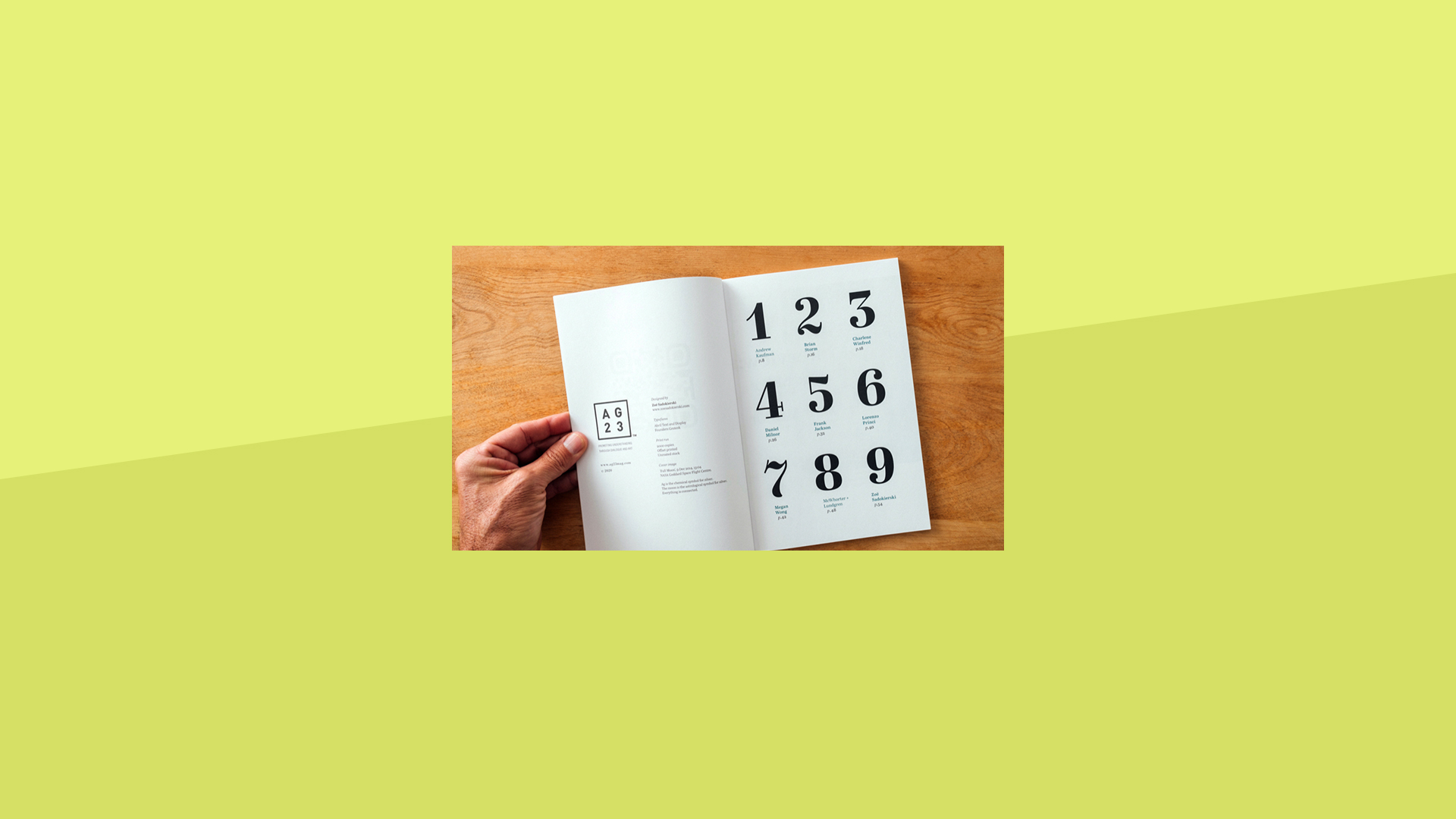
24 zine ideas for DIY creators and self-publishers
Editor’s note: This post was first published on July 15, 2022 and most recently updated on December 22, 2025.
Zines have always been a playground for creative expression—part art object, part creative manifesto. Whether you’re stepping into self-publishing for the first time or expanding your creative practice, these 24 zine ideas blend history, culture, and imagination to help you find inspiration for your next self-publishing project.
What is a zine (and why should you make one?)
Zines are small, self-made publications created to share ideas, stories, or art outside traditional publishing channels. You could say that zines are the embodiment of self-publishing. From hand-drawn collages to carefully designed mini magazines, zines have long been a way for creators to express personal perspectives, celebrate niche communities, and challenge mainstream narratives.
Unlike commercial magazines, zines thrive on independence. They can be as simple or as experimental as you like. What matters most is the act of creation and connection: turning your voice, vision, or cause into something tangible that can be shared.
Want to dig deeper into the world of zines and how they evolved as part of the self-publishing movement? Read our full guide to zines and self-publishing.
24 zine ideas
1. Political persuasion
The zine’s beginnings can span back in time to pamphlets like Thomas Paine’s Common Sense in 1775. His 47-page piece of prose encouraged ordinary colonists to fight for independence and started the revolution—who knows what yours might do.
Why not try to create a persuasive political print argument of your own?
2. Black activist “little magazines”
Amid the Harlem Renaissance, a group of notable Black activists and authors gathered to create Fire, an influential literary magazine dedicated to spreading Black thought. This led to a proliferation of “little magazines” by other Black authors.
Continue the tradition with a little magazine of your own.
3. Sci-fi fanzine
The first time zines came to be known as zines was in the 1930s when “fan magazines” (shortened to “fanzine” and then “zine”) ran rampant. Famed authors like Ray Bradbury joined in the movement of small-run prints.
Follow in their footsteps by creating an intergalactic romance from your most cherished sci-fi book or an ode to your favorite sci-fi show.
4. Queer community building
In June 1947, Edythe Eyde typed out the first volume of Vice Versa, which she called “America’s Gayest Magazine.” While today there are far more avenues for LGBTQ+ ideas to spread, the zine remains an essential method of communication with small communities.
There’s no reason not to take after Edythe and mail or hand-deliver your queer declaration to friends.
5. Poetic license
Alongside the sci-fi and literary works of the 30s, 40s, and 50s came poetry zines—from collectives of niche artists that wanted to share their work but couldn’t access the traditional publishing methods. Printed with a mimeograph machine, producing copies by forcing ink through a stencil, they could print and distribute only 100 or so zines.
Create your short poetry collection—include all the work a traditional publisher would never print.
6. Seriously terrifying horror
Off the back of the sci-fi fanzine movement came creepy-crawly horror zines. With titles like Gore Creatures, Cinemacabre, and Black Oracle to draw inspiration from, there’s no end to the spooky creations you can create yourself.
Draw from your worst nightmares to create a horror piece made for a super short zine.
7. Underground art
During the 60s and 70s, art and literary zines spread through niche networks—aiming to share art the commercial art world refused to publish. Groups of artists, or single artists alone, turned their works into short prints to share.
We’re ready to see your collection of your weirdest friends’ weirdest art and illustrations.
8. Rock prozine
Sci-fi and comic zine creators in the 60s realized they shared an interest in rock music. Thus the music zine came to be. Most famous was a zine turned prozine turned magazine named Crawdaddy! One 17-year-old Swarthmore College student turned a collection of his own rock and roll criticisms into a mass-market magazine.
What’s stopping you from sharing your own opinions of your favorite artists?
9. Punk DIY
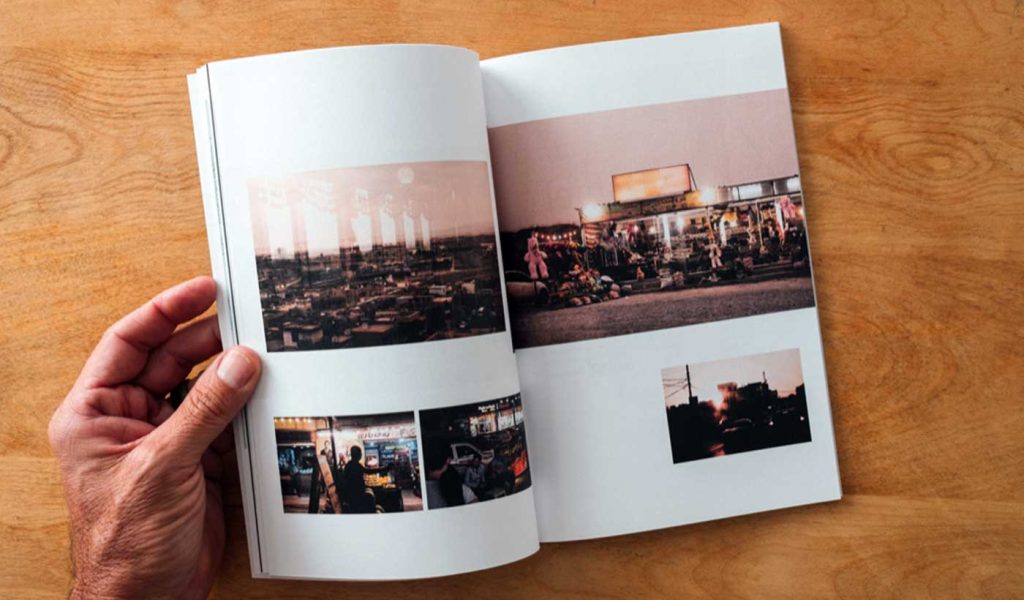
From the rock zine came the punk zine. In the late 70s and 80s, the grungy, DIY ethos of this iteration of the zine covered iconic bands like The Clash and The Ramones. The genre aesthetic took a turn with the increasing accessibility of copy machines and home printing tech—meaning scissors, glue, and xeroxing became the name of the game.
Go back to the punk roots with handwritten text and rough and ready comics (maybe even using pilfered sharpies).
10. Riot grrrl ruckus
A decade later, riot grrrls burst onto the scene, challenging the sexism in punk with its female empowerment values. The feminist practice of sharing personal experiences to build community meant that bands shared not only music but also musician-created zines.
Take a page from Bikini Kill’s book and take your band to the written page—with a healthy splash of women’s rights and revolutionary rage.
11. Graphic and comic zines
Throughout the century, zines spread to other countries, including a proliferation of Mexican comic books and graphic novels in the 2000s. The University of North Carolina at Chapel Hill’s Mexican Comic Collection and La Maleta Fanzinera both have tons of excellent examples.
Try your hand at a visual zine by illustrating your work.
Loving these ideas? To get more inspiration and tips delivered straight to your inbox, create your free account today.
12. Webzines turned print
The rise of the internet also meant a decline in zines. Some print publications made the jump to webzine, like Boing Boing. But much of the effort that would-be zinesters put into their art went into blogs, online journals, and (now) social media. Go in reverse and transform your blog, journal, or social media account into zine form.
What would your Instagram feed look like if it were a DIY print piece?
13. Mamazine
You’ve seen the mothering blogs with their (sometimes harsh) opinions, the parenting magazines with their (always endless) advertising. Well, here’s what every parent really needs: a simple, judgment-free and ad-free guide to carrying, birthing, and raising kids. Check out East Village Inky for an idea of what we’re talking about.
What do you have to show and tell about the experience of parenthood?
14. Travelogue
We like to think the travel zine came about to eradicate having to sit through the painstaking slideshows of someone else’s vacation. Booooring. Instead, travel zines become two-dimensional storytellers in photos and words.
What made your last adventure most memorable? Why not make an issue out of it?
15. Oddities zine
Humans all have their idiosyncrasies, and there’s no better way to share your love of taxidermy, seeing faces in random objects, or explaining the finer points of building your self-playing saxophone than by making an oddities zine.
Think it’s weird? Exactly the point. What makes you unique?
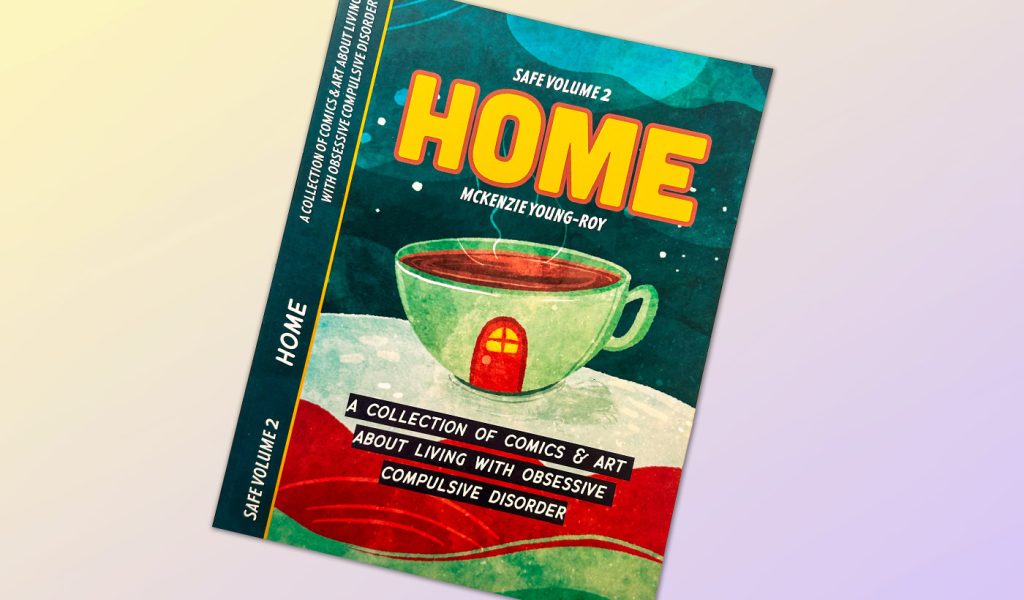
16. Chapters in mental health
Sometimes you can’t explain your thoughts and feelings, but it helps when you hear stories or see art that others have made to express themselves during hard times. Lina Wu’s 40-page zine For Girls Who Cry Often is a perfect example.
Check out more zines like hers. Use them as inspiration to make your own—for you or someone else.
17. Foodie and drinkie zine
Chinese Protest Recipes? A zine that’s part memoir and part menu? A title that introduces an entirely new word to your vocabulary: Chewn? They’re not just recipe books. These have all the ingredients—art, musings, content—of a well-balanced zine.
What topics would you like others to chew on and say cheers to over a shared meal?
18. Hand-lettering lovers
A simple phrase about life may be nothing on its own, but once you pack it with the power of hand lettering, it becomes a statement piece. Zines are confrontational in nature, thanks largely to alphabetic art. We’re especially inspired by artist Isabel Urbina Peña’s work.
If fonts are your love language, consider making your own—and making it into a zine.
19. Literary zines
Zines are often known for art. But don’t forget the art of the written word. We’ve all heard, “The pen is mightier than the sword.” Nowhere is this more true than in the world of literary zines. Fiction, essays, poetry, lyrics, manifestos: these are the hallmarks of self-publishing life.
Consider a few writing prompts and let your imagination take to the page.
20. Astrology vignettes
Imagine the volumes and issues of different stars aligning. What’s marriage like between a Gemini and Pisces? What if they have a Scorpio child? If you have the gift of fortune-telling or card reading, you could make your gift into a zine (heck, and a business!).
Tell the tale of your romance in a zine that maps the moons and the stars that brought you together.
21. Kid manifesto
Kids may be shy to speak their feelings, but chances are, they have a lot to say. Whereas some people make photo books for each year of a kid’s life, there’s also a lot to be said for encouraging them to make a zine of what’s going on inside their hearts and minds.
Challenge a kid you know to express something they feel strongly about through writings and pictures.
22. Petzine
The proper way to feed chinchillas? Everything you ever wanted to know about the ball python? For exotic pets, zines make excellent how-to guides that can be artfully told. The trick is to make it unique and unlike a regular handbook. Perhaps make it into a comic-book-style story. Or build top 10 lists of various topics—best names, coolest tricks, weirdest habits.
Is your pet zine-worthy? “Umm…yes,” they’d say if they could talk.
23. Tattoo mini-memoir
Tattoos were once the art of rebels only. Today they’re much more mainstream, but there’s still a story behind each and every one. Early tattoo artists put their work in handy zines for admiring and attracting clients—a portfolio of sorts.
What’s your ink have to say?
24. Interviews and musings
We love that author and artist Hannah Hightman interviewed all her heroes and made them into a zine that’s the perfect blend of artful punk and high school.
Who are the influencers that would make your interview list?
Ready to bring your zine idea to life?
Whether you’re drawn to collage, poetry, photography, or personal storytelling, zine-making is about translating your ideas into something you can hold, share, and celebrate.
From layout and design to printing and finishing touches, there are countless ways to shape your vision. Learn how to move from concept to creation with our step-by-step guide: How to make a zine: a beginner’s guide to getting started
Zine FAQs
1. What are the best zine ideas for beginners?
If you’re new to zine-making, keep things simple to start. Beginners often experiment with mini zines about music, travel, or daily life. Some great beginner zine ideas include:
- A mini art zine of sketches or doodles
- A short poetry or writing collection
- A collage-based DIY zine using recycled materials
- A photography zine capturing local life or travel memories
2. How do I come up with creative zine ideas?
Start by exploring your own personal interests, whether that’s music, fashion, nature, or community issues. Brainstorm DIY zine ideas that reflect your personality or creative skills. You could also remix old journal entries, art projects, or poems into new zine themes.
3. How many pages should a zine be?
There’s no strict rule, but most zines range from 8 to 40 pages. A mini zine can be made from a single folded sheet of paper, while larger art zines or literary zines often run longer. The right length depends on your theme, layout, and budget.
Blurb’s magazines start at 20 pages—perfect for a zine!
***
With Blurb, you can design, print, and share your one-of-a-kind zine using professional-quality tools made for creators like you. Create your free account and get started today.